You’re Not Broken — You’re Burdened: Why Mental Health May Be About More Than Just Your Mind
You’re Not Broken — You’re Burdened: Why Mental Health May Be About More Than Just Your Mind
May 17, 2026
Mental Health Awareness Month reminds us that millions of people are silently struggling with anxiety, burnout, depression, emotional overwhelm, brain fog, panic attacks, and feeling unlike themselves.
But what if mental health symptoms are not always simply “all in your head”?
What if many people are carrying deeper physical burdens affecting the brain, nervous system, and emotional centers of the body?
For decades, mental and emotional struggles have largely been explained through the lens of chemical imbalances, genetics, stress, or personality. While emotional trauma and life experiences absolutely matter, many people are beginning to question whether there may be additional physical root causes contributing to what they feel.
And for many women especially, this matters deeply.
Because so many are:
Exhausted.
Overstimulated.
Emotionally depleted.
Burnt out.
Anxious.
Unable to cope the way they once could.
Feeling emotionally fragile
while simultaneously trying to hold everything together.
The Difference Between Emotional Triggers & Physical Root Causes
Emotional triggers are real.
Loss, heartbreak, trauma, stress, grief, betrayal, financial strain, loneliness, relationship difficulties, caregiving, chronic stress, and emotional wounds can profoundly impact mental health.
But sometimes emotional symptoms become amplified because the brain and nervous system are already physically overwhelmed underneath the surface.
Think of it like this:
Two people can experience the same stressful situation — yet one recovers relatively quickly while the other spirals into panic, burnout, anxiety, insomnia, emotional numbness, or emotional exhaustion for weeks or months afterward.
Why?
The emotional trigger may be the same.
But the neurological resilience underneath may be completely different.
When the brain and nervous system are already burdened by chronic stress, adrenaline, toxic exposures, viral neurotoxins, inflammation, nutrient deficiencies, or toxic heavy metals, emotional stress can hit much harder.
In other words:
Sometimes the emotional trigger is not the entire root cause.
Sometimes it’s the tipping point.
The Brain Needs Fuel — Not Fear of Food
One of the most misunderstood aspects of brain health today is glucose.
The brain is highly glucose dependent. It relies on healthy carbohydrates from fruit, potatoes, sweet potatoes, raw honey, winter squash, and other healing foods to help stabilize electrical activity, neurotransmitter function, emotional regulation, and nervous system resilience.
Yet modern diet culture often promotes:
- low-carb eating
- chronic fasting
- keto diets
- excessive protein intake
- fear of fruit and natural sugars
Many people are unknowingly depriving their brains of one of their primary fuel sources. When the brain becomes depleted of readily available glucose, symptoms may begin to appear such as:
- anxiety
- shakiness
- emotional instability
- panic
- brain fog
- irritability
- burnout
- difficulty coping
- exhaustion
- emotional sensitivity
Many people blame themselves emotionally when their brain and nervous system may actually be struggling physiologically.
The Hidden Role of Toxic Heavy Metals
Another growing area of discussion surrounding mental and neurological health involves toxic heavy metals.
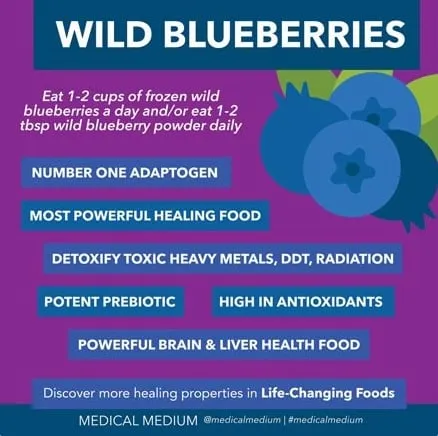
Metals such as mercury, aluminum, lead, copper, cadmium, and other toxic exposures may accumulate in brain tissue over time through:
- food
- water
- cookware
- pharmaceuticals
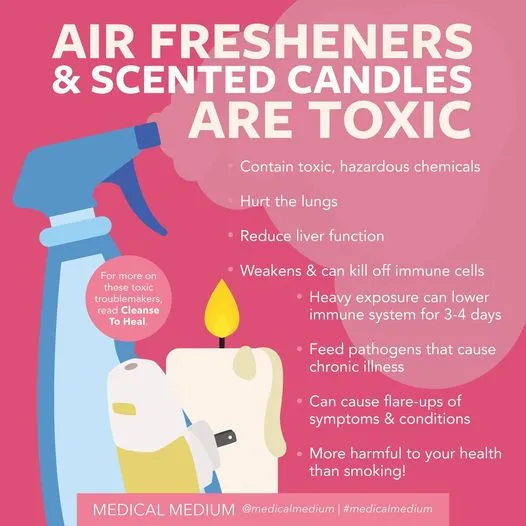
- fragrances
- pesticides
- air pollution
- industrial exposures
- household products
- generational exposure
According to Medical Medium information, these metals may interfere with the brain’s electrical system and contribute to:
- brain fog
- emotional volatility
- intrusive thoughts
- mood instability
- memory issues
- anxiety
- panic attacks
- emotional overwhelm
- neurological symptoms
Heavy metals may also oxidize over time, especially in the presence of high-fat diets and chronic inflammation, creating what is described as increased “brain heat.”
What Is Brain Heat?
The brain runs on electrical impulses.
When toxic heavy metals, chronic adrenaline, inflammation, dehydration, viral neurotoxins, and oxidative stress accumulate, the brain can become overheated and neurologically overstimulated.
This may contribute to symptoms such as:
- emotional meltdowns
- panic attacks
- feeling emotionally “fried”
- rage or irritability
- hypersensitivity
- anxiety
- scattered thinking
- emotional exhaustion
- difficulty regulating emotions
- burnout
Many people describe this as:
“I can’t handle stress anymore.”
“I feel emotionally overloaded.”
“My nervous system feels fried.”
“I don’t feel like myself.”
This does not mean you are weak.
Sometimes it means your brain and nervous system have been carrying more than they can comfortably handle for far too long.
The Adrenaline Connection
Chronic stress does not only affect emotions psychologically.
It affects the body physically.
Repeated surges of adrenaline over months or years may deeply impact the nervous system and brain tissue.
Many women today are functioning in near-constant survival mode:
- caregiving
- overworking
- financial stress
- emotional suppression
- unresolved trauma
- chronic illness
- lack of rest
- overstimulation
- hypervigilance
Over time, this constant adrenaline output may leave people feeling emotionally depleted, emotionally reactive, exhausted, numb, anxious, or unable to tolerate stress the way they once could.
Sometimes burnout is not laziness. It is neurological exhaustion.
Supporting the Brain & Nervous System
While healing is deeply individual, there are supportive tools many people find helpful for nourishing the brain and nervous system.
Some commonly discussed supportive strategies include:
- increasing healing carbohydrates and mineral salts
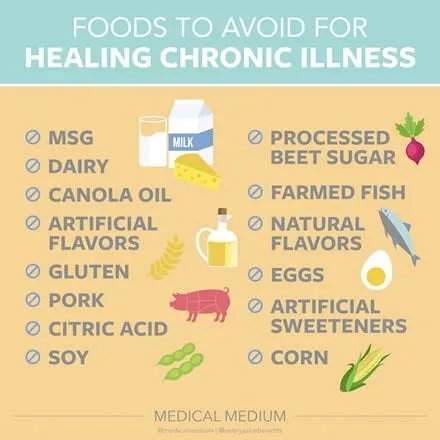
- reducing highly processed foods and excess fats
- supporting hydration
- reducing toxic exposures and synthetic fragrances
- prioritizing sleep and nervous system rest
- addressing emotional trauma compassionately
- supporting the liver and detoxification pathways
- reducing chronic adrenaline surges
Brain-supportive supplements often discussed include:
- B12
- zinc
- magnesium glycinate
- lemon balm
- cat’s claw
- licorice root
- spirulina
- barley grass juice powder
- wild blueberries
The Heavy Metal Detox Smoothie is also commonly used by many people seeking neurological and emotional support.
A Different Perspective on Mental Health
Mental health conversations matter.
Emotional support matters.
Therapy matters.
Compassion matters.
But perhaps many people also deserve deeper conversations about:
- brain health
- nervous system burden
- toxins
- nutrition
- chronic stress
- liver health
- inflammation
- viral neurotoxins
- emotional trauma
- environmental exposures
- and neurological overload
Because sometimes people are not broken.
Sometimes they are burdened.
And understanding that may be one of the most compassionate shifts we can make in the mental health conversation.
Maybe this Mental Health Awareness Month is not only about becoming more aware of mental health struggles…but becoming more aware of what may truly be contributing to them beneath the surface.
Here’s to vibrant health,

Jennifer Anastacio, RN, BScN
Health & Wellnurse
Inspiring & Empowering you to live your healthiest, happiest life! ❤️🌈😄
Medical Medium based information shared for educational purposes only and is not intended to diagnose, treat, cure, or replace professional medical advice.